Choosing the right boat flooring is essential for onboard safety. High-quality deck mats reduce slips, falls, and injuries, protecting passengers and crew. New boat owners and recreational users should select materials carefully from trusted suppliers.
Melors premium EVA + PE mats, made with a specialized process, meet strict safety standards, offer superior traction, durability, and comfort, and are CNC-compatible for custom designs, ensuring maximum onboard safety.
In our previous article reviewing BoatTEST’s “Accidents of the Week” (Dec 20, 2025), we highlighted several serious incidents:
- High-speed catamaran flipping in Cape Coral, Florida
- Disabled sailboat in Key West, Florida
- Electric boat fire in Lake of the Ozarks, Missouri
 Although the causes ranged from high-speed instability to fire hazards, a common theme emerged: the condition, traction, and material quality of boat flooring and decking significantly influence safety, stability, and emergency response.
1. Before Departure: Pre-Sail Deck Safety
Many accidents start before the boat leaves the dock. Preparing the deck and checking flooring is critical.
Checklist for Safe Deck Preparation:
- Inspect deck surfaces for wear, smooth spots, or loss of traction.
- Ensure flooring is securely fastened, with no lifting edges.
- Confirm drainage channels are clear for rapid water runoff.
- Verify high-traffic areas (helm, steps, gunwales) provide consistent traction.
Why It Matters:
High-speed flips and rough-weather incidents often begin with poor footing or slippery decks. Installing high-quality boat flooring with predictable traction in both wet and dry conditions stabilizes passengers and crew during sudden motion.
2. During Navigation:Safe Movement on Deck
Most injuries occur not during collisions, but while moving around the boat.
- Best Practices While Sailing:
- Minimize unnecessary movement in rough seas.
- Encourage slow, deliberate motion with three points of contact.
- Keep deck free of water, loose gear, and fuel residues.
- Exercise extra caution at night or in low-visibility conditions.
Decking Considerations:
- High-friction surfaces prevent slips.
- Water-shedding designs reduce standing water.
- Consistent surface texture ensures predictable grip across zones.
Proper boat flooring reduces the risk of slips, trips, and falls, even in challenging weather or darkness.
3. Emergency Situations:
Decking in Fire, Capsize, and Fall-Overboard Scenarios
During emergencies, movement is fast, stressful, and unpredictable. Decking directly impacts survival and evacuation efficiency.Key Risks Identified in Case Reviews:
- Smooth or worn flooring becomes extremely dangerous when wet or exposed to fuel/foam.
- Deck materials that melt or soften during fires reduce evacuation safety.
- Lack of tactile or visual edge markers increases fall-overboard risk.
Safety-Oriented Deck Design:
- Reliable traction under stress, not only during normal use.
- Closed-cell, water-resistant materials that prevent water absorption.
- Clear edge definition via texture or contrast.
- Flame-resistant or low-flammability properties.
High-quality flooring ensures passengers and crew can maintain balance and move safely during emergencies.
4. After the Trip: Post-Voyage Maintenance
Routine inspection and care prevent small issues from becoming major hazards.Post-Voyage Checklist:
- Look for compressed, glossy, or uneven flooring areas.
- Rinse off salt, sand, and fuel residues.
- Dry deck thoroughly to prevent material degradation.
- Monitor adhesive performance and detect early fatigue.
Consistent maintenance preserves anti-slip performance, structural integrity, and reduces long-term accident risk.
5. Long-Term Safety:
Preventing Accidents Before They Happen
Boat flooring and decking are not “install and forget” components. Material quality and proper care are critical.Long-Term Guidelines:
- Choose materials suitable for UV exposure, moisture, and temperature fluctuations.
- Replace flooring if traction declines, not only if it appears worn.
- Avoid surfaces that become slick or brittle over time.
- Reassess deck layout if usage, load, or passenger numbers change.
Aging or degraded flooring silently increases risk, even for experienced boaters.
Choosing the Right Boat Flooring:Why Melors Matters
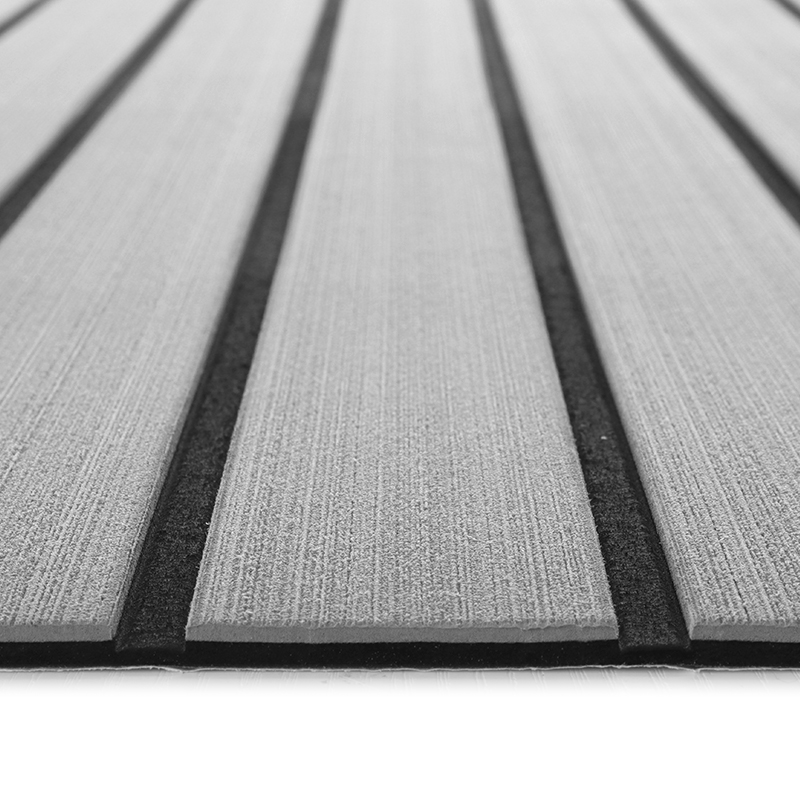 The accidents discussed show one clear truth: the choice of boat flooring and deck mats is critical for onboard safety.Melors uses high-quality EVA + PE materials and a specially formulated production process.
Our premium boat mats are designed for:
- Optimal traction and anti-slip performance
- Maximum comfort during use
- CNC machine compatibility for custom designs
- Enhanced durability and safety
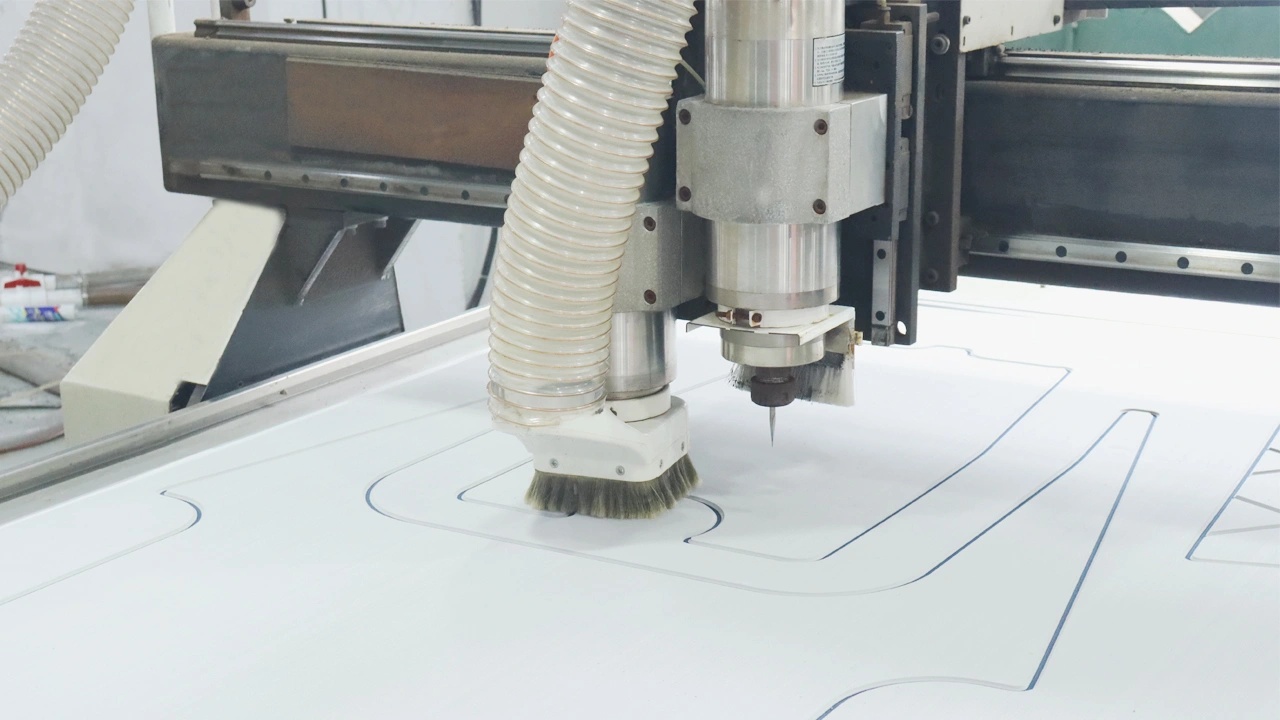
Specifications for Melors Premium Boat Mats:
| Size: |
240 x 120 cm (94 x 47 inch) |
| Thickness: |
6 mm (0.236 inch) |
| Adhesive Options: |
3M 55236 / 3M 99786 / 3M 9775WL |
| Density: |
160–180 kg/m³ |
| Hardness: |
60–65° |
| Colors: |
24 popular options |
| UV Resistance: |
Over 3,000 hours |
Melors Marine Deck Factory
📧 Email: admin@marinedeckfactory.com
📱 Cel: +86-13699812532
🏭 Address:
Ruiji Industry Zone, Dongao Village,
Shatian Town, Huiyang District,
Huizhou City, Guangdong Province, China.
🌐 Website: marinedeckfactory.com
Transform Your Boat with Melors Marine Deck Now!
Send us your inquiry now and get free samples for testing.
Contact Us Now →
FAQ
Q 1: How does boat flooring affect overall boating safety?Boat flooring directly impacts traction, balance, and stability. High-quality decking reduces slips, falls, and injuries during normal use and emergencies.Q 2: What features should safe marine decking have?Safe marine decking should offer strong anti-slip performance, water drainage, UV resistance, shock absorption, and secure adhesive backing.Q 3: Why is non-slip boat flooring important for new boat owners?New boat owners are more prone to accidents. Non-slip flooring provides predictable grip and reduces risks in rough weather or sudden maneuvers.

 The accidents discussed show one clear truth: the choice of boat flooring and deck mats is critical for onboard safety.


